
Understanding the Need to Apply MMJ Card
In recent years, the perception of medical marijuana (MMJ) has shifted significantly, leading to increased interest in obtaining a medical marijuana card. To apply MMJ card is not just a response to changes in laws; it also reflects a growing understanding of its therapeutic benefits. However, the journey to receiving an MMJ card is multifaceted and requires a clear understanding of its purpose, benefits, and legal parameters.
What is an MMJ Card?
An MMJ card, or medical marijuana card, is a legal document issued by a qualified healthcare provider allowing patients to use cannabis for medical purposes. This card grants access to dispensaries where medical marijuana is sold and provides legal protections under state laws. With a legitimate card, patients can avoid the stigma often associated with recreational marijuana use and ensure they receive quality medicinal products tailored to their health conditions.
Benefits of Having an MMJ Card
Having an MMJ card offers a wealth of benefits. Firstly, it allows patients to access a wider variety of cannabis products, often with higher THC levels than recreational options. This access can prove essential for those seeking effective relief from chronic pain, anxiety, sleep disorders, and other ailments. Moreover, cardholders typically pay lower taxes than recreational users, leading to substantial savings over time. Additionally, possessing an MMJ card can provide peace of mind, eliminating legal uncertainties surrounding marijuana use.
Legal Considerations When You Apply MMJ Card
Before you apply for an MMJ card, it’s essential to grasp the legal landscape. Each state has specific regulations regarding qualification, possession limits, and where medical marijuana can be consumed. The MMJ card typically requires a recommendation from a licensed physician who specializes in medical marijuana. Understanding these legalities can save applicants from potential legal pitfalls, ensuring that they remain compliant with state law and receive maximum benefits from their card.
Eligibility Criteria for Applying MMJ Card
Medical Conditions Qualifying You to Apply MMJ Card
Not all conditions qualify for an MMJ card. Each state has its list of eligible medical conditions, which typically includes chronic pain, cancer, HIV/AIDS, multiple sclerosis, epilepsy, glaucoma, and post-traumatic stress disorder (PTSD). It is crucial for prospective applicants to review their state laws to ascertain whether their specific medical condition meets the criteria. Some states also accommodate conditions not explicitly listed but can be deemed severe or debilitating by a qualified physician.
Age and Residency Requirements
Age and residency play a significant role in determining eligibility for an MMJ card. In most states, applicants must be at least 18 years old, although minors can obtain a card with the consent of a legal guardian. Additionally, applicants need to prove their residency in the state where they are applying, often requiring valid identification or utility bills showing their current address. This residency requirement is crucial as it connects the individual to the specific state laws governing the use of medical marijuana.
Consulting Healthcare Professionals
Before applying for an MMJ card, consulting with healthcare professionals is essential. A qualified physician can assess the applicant’s medical history, current medications, and overall health to determine if medical marijuana is a suitable treatment option. This process not only ensures that patients receive an appropriate recommendation but also helps in addressing any potential drug interactions or side effects associated with cannabis use.
Step-by-Step Process to Apply MMJ Card
Gathering Required Documentation
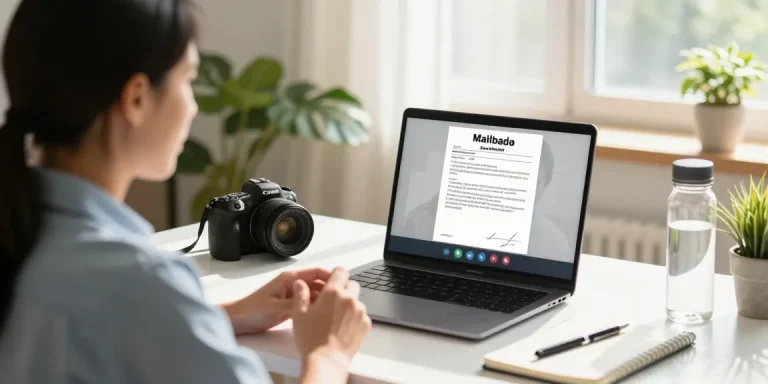
The application process for obtaining an MMJ card begins with gathering necessary documentation. Applicants typically need proof of identity, such as a driver’s license or state ID, medical records demonstrating the qualified condition, and a recent doctor’s recommendation. Additionally, some states will require proof of residency. It’s advisable to collect these documents in advance to streamline the application process and avoid any last-minute issues.
Choosing the Right Application Method
Different states provide various methods for applying for an MMJ card, from online platforms to in-person submissions. Online applications are often faster and more convenient, but in-person consultations with healthcare providers can offer more personalized assistance. It’s essential for applicants to choose the method that best suits their needs while considering the efficiency and comprehensiveness of each option.
Submitting Your Application Successfully
Once the necessary documentation is gathered and the application method chosen, it’s time to submit the application. Each state has its process for evaluating applications, which can range from a few days to several weeks. After submission, applicants should keep track of their application status and follow up if they have not received any notification within the expected timeframe. It’s crucial to ensure that all information submitted is accurate and up to date to avoid delays.
Common Challenges in the Application Process
Frequently Encountered Issues
Applicants may face several challenges during the application process, including incomplete documentation, miscommunication with healthcare providers, or longer-than-expected wait times for approval. Understanding these common issues can help applicants prepare for and mitigate potential hurdles effectively. Familiarizing oneself with the specific requirements and maintaining open communication with the healthcare provider can alleviate many concerns.
How to Overcome Application Delays
Delays can occur for various reasons, including clerical errors or backlog at the state office. To overcome these delays, applicants should regularly check the status of their application, be proactive about contacting state representatives for updates, and ensure all their documentation is complete and accurate. In some cases, applicants may need to provide additional information or clarification, so being prepared for any requests can help expedite the process.
Resources for Assistance
Several resources are available to assist individuals in the application process for an MMJ card. State health department websites often provide updates and guidance on the steps needed to apply. Additionally, non-profit organizations and advocacy groups can offer support and information to navigate the process efficiently. Referring to these resources ensures that applicants remain informed and equipped with the necessary knowledge as they move forward.
Post-Application Steps and Considerations
Receiving Your MMJ Card
After a successful application, receiving the MMJ card is the next significant step. Most states issue cards via mail, which typically arrives within a few days to weeks post-approval. It is advisable for patients to verify that all details on their card are correct upon receipt. If any discrepancies exist, they should be addressed immediately with the issuing authority to avoid potential issues in the future.
Understanding Your Rights and Responsibilities
With an MMJ card, patients gain specific legal protections and responsibilities. They are authorized to possess and use medical marijuana under state law, but they must adhere to possession limits and ensure their usage aligns with state regulations. Understanding these rights and responsibilities is crucial for maintaining legal protection while using cannabis for medical treatment.
Continuing Care and Recommendations
Obtaining an MMJ card is only the beginning of a patient’s journey with medical marijuana. Continuous care is vital, including regular follow-ups with the healthcare provider to monitor progress and adjust treatment plans. It’s also beneficial for patients to stay informed about new research on medical marijuana and communicate openly with their doctors about their experiences and any side effects they encounter.
Frequently Asked Questions
1. How long does it take to get an MMJ card?
The time to receive an MMJ card varies by state, typically ranging from a few days to several weeks after application submission. Factors such as application volume and completeness can influence this timeframe.
2. Can I apply for an MMJ card if I have a felony conviction?
Eligibility with felony convictions often varies by state. Some states may allow individuals with past convictions to apply, while others may disqualify them. It’s crucial to check specific state laws regarding this issue.
3. Is there an age requirement for obtaining an MMJ card?
Yes, applicants must usually be at least 18 years old, although minors can obtain a card with parental or guardian consent in most states. Always consult state legislation for precise details.
4. Can I use my MMJ card in any state?
No, MMJ cards are state-specific. Using a card from one state in another may not provide legal protection, even where marijuana is legal. Always check the state laws where you plan to use medical marijuana.
5. Will my insurance cover the cost of obtaining an MMJ card?
Generally, health insurance does not cover the costs associated with obtaining an MMJ card or medical marijuana. Patients should prepare for these out-of-pocket expenses when considering the application process.
About the Author