
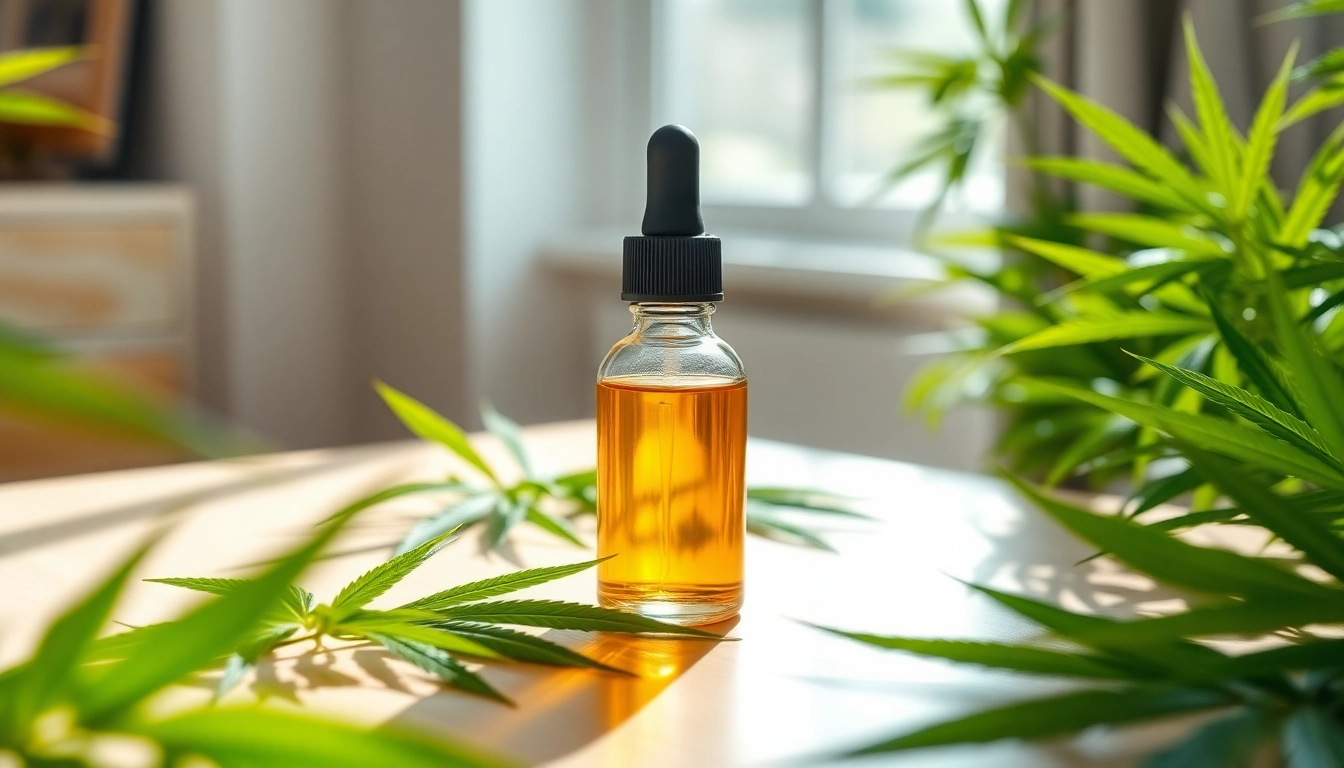
Understanding CBD Oil: What You Need to Know
Cannabidiol, commonly known as CBD, has gained remarkable attention over the past few years as a natural remedy for various ailments. Often associated with hemp and cannabis plants, CBD Oil is extracted from the flowers, leaves, and stalks of hemp plants. Unlike its counterpart THC, which is unique for its psychoactive properties, CBD is non-impairing, making it appealing for those seeking therapeutic benefits without the high. CBD Oil has sparked interest among researchers, healthcare professionals, and users alike, leading to an ever-expanding field of study and product development.
What is CBD Oil?
CBD Oil is a concentrated oil that contains CBD in varying concentrations and is derived from cannabis or hemp plants. The extraction process can include various methods, such as CO2 extraction or ethanol extraction, which ensure that the beneficial compounds remain intact. Aside from CBD, these oils may also contain other cannabinoids, terpenes, and flavonoids, which together contribute to the so-called "entourage effect," potentially enhancing the effectiveness of CBD by working synergistically with other plant compounds. This natural extract is used for both therapeutic and wellness purposes, providing benefits for a range of physical and mental health issues.
How CBD Oil is Made
The production of CBD Oil typically involves multiple steps, each essential for ensuring high-quality final products. The process begins with selecting the appropriate strains of hemp, ideally rich in CBD and low in THC. Once harvested, the plant material undergoes extraction, which involves separating CBD from the other compounds present in the plant. There are several methods of extraction:
- CO2 Extraction: This method uses pressurized carbon dioxide to pull CBD from the plant, resulting in pure oil without harmful residual solvents.
- Solvent Extraction: Involves using alcohol or other solvents to dissolve the cannabinoids. While effective, this method may leave behind residual solvents that need to be removed.
- Olive Oil Extraction: A simple process where olive oil is heated and used to extract CBD. This is less efficient but is safe and preserves the beneficial compounds.
After extraction, the oil is typically filtered and refined to remove plant matter and other impurities. The final product can vary in concentration and potency, catering to different preferences and requirements.
Types of CBD Oil
When exploring CBD Oil products, it’s essential to understand the different types available, as they vary in composition and effects:
- Full-Spectrum CBD Oil: Contains all cannabinoids present in the plant, including trace amounts of THC (usually below 0.3%). This type is often preferred due to the entourage effect.
- Broad-Spectrum CBD Oil: Similar to full-spectrum but is THC-free. This option still offers beneficial cannabinoids and terpenes without the risks associated with THC.
- CBD Isolate: A pure form of CBD, extracted and refined to remove all other cannabinoids, terpenes, and hemp compounds. This is ideal for those seeking the benefits of CBD without any other ingredients.
Health Benefits of CBD Oil
CBD Oil has garnered attention for its potential therapeutic effects across various health conditions. Below are some of the most notable health benefits supported by research.
Potential Relief from Pain and Inflammation
One of the primary reasons individuals use CBD Oil is for its analgesic properties. Scientific studies suggest that CBD interacts with the endocannabinoid system, which plays a role in regulating pain and inflammation. Many users report reduced chronic pain conditions, arthritis discomfort, and other inflammatory disorders when using CBD Oil. Notably, CBD may help mitigate pain by targeting pain receptors, thus altering the perception of pain and reducing inflammation.
CBD Oil's Role in Anxiety and Stress Management
Recent studies indicate that CBD Oil can significantly reduce anxiety and stress. Users have reported feelings of calmness and relaxation after consuming CBD. This effect is thought to stem from CBD’s ability to influence receptors in the brain that regulate serotonin, a neurotransmitter involved in mood and anxiety. Clinical trials suggest that, when administered in appropriate doses, CBD can help manage anxiety disorders, including social anxiety and generalized anxiety disorder.
Impact on Sleep Quality and Disorders
For those struggling with sleep disturbances, CBD Oil may provide a solution. Research indicates that CBD has the potential to enhance sleep quality by addressing underlying issues such as anxiety and pain, which often disrupt sleep. Additionally, CBD may influence sleep cycles, possibly increasing total sleep time and improving sleep continuity. As sleep is critical for overall health, individuals experiencing insomnia may benefit from incorporating CBD Oil into their wellness routine.
How to Use CBD Oil Effectively
Using CBD Oil can be straightforward, but the method of consumption and dosing needs careful consideration to achieve the desired results.
Recommended Dosages and Consumption Methods
Determining the correct dosage of CBD Oil varies from person to person and largely depends on the individual's body weight, metabolism, and the condition being treated. Generally, it is advisable to begin with a low dosage and gradually increase until achieving the desired effects. Here are some common methods of consuming CBD Oil:
- Sublingual Tinctures: Placing a few drops of CBD Oil under the tongue allows for rapid absorption into the bloodstream.
- Capsules and Edibles: Offers a pre-measured dosage, making it easy to take, although they may take longer to take effect compared to tinctures.
- Topicals: Creams and lotions infused with CBD can be applied directly to the skin for localized relief, particularly effective for joint or muscle pain.
As a rule of thumb, it's sensible to consult with a healthcare provider before starting any new supplementation regimen.
Combining CBD Oil with Other Supplements
Many users find success in combining CBD Oil with other dietary supplements to enhance its effects. Common pairing partners include omega-3 fatty acids, curcumin, and magnesium. These combinations may help to amplify the anti-inflammatory and calming effects of CBD. However, one should always consider potential interactions and consult with a healthcare expert to tailor a regimen that suits their individual health needs.
Storage and Shelf Life of CBD Oil
The way CBD Oil is stored can significantly affect its longevity and efficacy. Ideally, it should be kept in a cool, dark place away from direct sunlight and moisture, which can degrade its quality. Properly stored, CBD Oil can have a shelf life of 1–2 years. Always check for any changes in color, consistency, or smell, which may indicate that the oil has gone bad.
Safety and Side Effects of CBD Oil
While CBD Oil is generally considered safe, understanding its side effects and who should avoid it is essential for safe usage.
Common Side Effects Users Experience
Many users may not experience significant side effects when using CBD Oil; however, some may encounter mild effects such as:
- Fatigue
- Diarrhea
- Changes in appetite or weight
- Dry mouth
Most side effects are typically mild and resolve with time or by adjusting the dosage. However, monitoring your body's response is crucial, especially during the initial stages of use.
Who Should Avoid CBD Oil?
Certain individuals should approach CBD Oil with caution. Women who are pregnant or breastfeeding, individuals with liver disease, or those taking medications that affect liver enzymes should consult with a healthcare professional before using CBD Oil. Additionally, any person with known allergies to cannabis should avoid CBD products altogether.
Understanding Interactions with Other Medications
CBD Oil can interact with various medications, particularly those metabolized by the liver. These interactions can either enhance or reduce the effectiveness of other medications. For instance, CBD might increase the blood-thinning effects of certain anticoagulants, leading to unwanted complications. Always disclose any supplements or medications you take to your healthcare provider to avoid potential contraindications.
Future of CBD Oil: Trends and Innovations
The CBD industry is rapidly evolving, with ongoing research and emerging products contributing to its growth. Understanding the current trends can help consumers make informed decisions.
Research Developments in CBD Oil Benefits
Research surrounding CBD Oil continues to expand, unveiling new therapeutic potentials. Areas such as epilepsy treatment, anxiety management, neuroprotective benefits, and even cancer research are being heavily studied. Ongoing clinical trials are aimed at providing more concrete evidence of CBD's efficacy and safety, which could lead to FDA approval for various applications.
Emerging Products and Edibles Containing CBD Oil
The marketplace for CBD products is diversifying, with a growing selection of options available. From beverages infused with CBD to skincare products and pet oils, consumers can find CBD in forms that suit various lifestyle preferences. Innovations include nanoemulsion technology, enhancing bioavailability and absorption rates, making CBD more effective when consumed.
Consumer Insights: What Users are Saying
Consumer feedback is invaluable for understanding how CBD Oil performs in real-world scenarios. Many users rave about the calming effects and relief from chronic pain, while others highlight improvements in sleep quality. Engaging with early adopters through surveys and reviews can provide insights into what specific benefits consumers are most satisfied with, along with suggestions for improving current products.