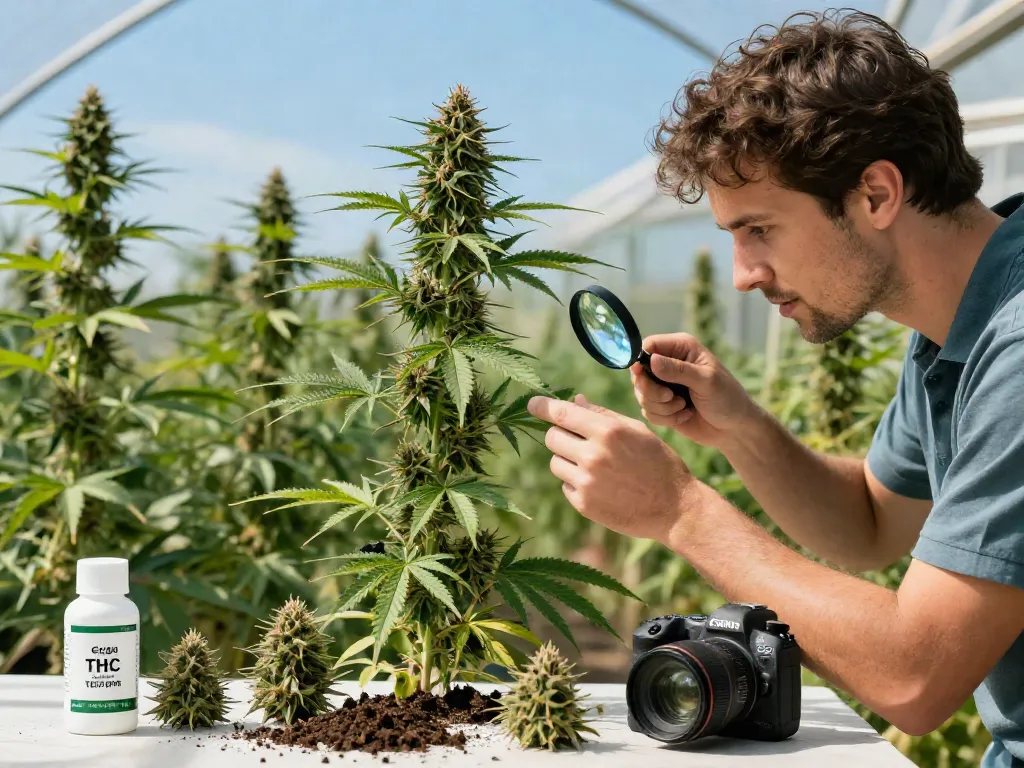
Understanding CBD and Its Benefits
In recent years, cannabidiol (CBD) has gained significant traction in the wellness community for its potential therapeutic benefits. As awareness of CBD continues to grow, many individuals are turning to this natural compound found in hemp for relief from various ailments, including anxiety and chronic pain. This article delves into the essence of CBD, its array of health benefits, and the numerous applications it offers. By exploring informed usage and insights into product quality, we aim to empower consumers in their journey towards wellness through safe and effective CBD use. If you're seeking a reliable source, consider the Most trusted online dispensary shipping worldwide, which provides high-quality products and exceptional customer service.
What is CBD and How Does it Work?
CBD, or cannabidiol, is one of over 100 naturally occurring cannabinoids found in the cannabis plant. Unlike THC (tetrahydrocannabinol), CBD is non-psychoactive and does not produce the "high" associated with marijuana use. Instead, CBD interacts with the body’s endocannabinoid system (ECS), a complex network of receptors that play a crucial role in regulating various physiological processes, including mood, pain, appetite, and immune response. By binding to CB1 and CB2 receptors in the ECS, CBD may help restore balance and promote wellness.
Health Benefits of CBD Products
A growing body of research suggests that CBD may offer numerous health benefits for various conditions:
- Anxiety and Stress Relief: Studies have shown that CBD may help reduce anxiety and promote a sense of calm, making it beneficial for those dealing with stress-related conditions.
- Pain Management: CBD has anti-inflammatory properties that may help alleviate chronic pain, making it a potential alternative to traditional pain relief medications.
- Sleep Improvement: Some research suggests that CBD may help improve sleep quality, aiding those who suffer from insomnia and other sleep disorders.
- Neuroprotective Properties: Preliminary studies suggest that CBD may have neuroprotective effects that could be beneficial for neurological conditions like epilepsy and multiple sclerosis.
Different Applications of CBD in Daily Life
CBD can be incorporated into daily routines in various forms. Whether taken as an oil, edible, or topical, individuals can choose the method that best suits their needs:
- CBD Oils and Tinctures: These are popular for their fast absorption and versatility, allowing for sublingual (under the tongue) administration for increased bioavailability.
- Edibles: CBD-infused gummies or capsules offer a convenient way to consume CBD, though they may take longer to take effect as they must pass through the digestive system.
- Topicals: Creams, balms, and salves can be applied directly to the skin for localized relief from pain and inflammation.
Types of CBD Products Available
The variety of CBD products available on the market is vast, catering to different user preferences and needs. Understanding the differences between these products is crucial for making informed choices.
Oils, Tinctures, and Edibles
CBD oils and tinctures are liquid extracts that allow for sublingual absorption, providing rapid effects. Edibles, such as gummies and chocolates, offer a tasty alternative, although they may take longer to deliver results due to digestion time. Each method has its onset time, usually ranging from 30 minutes to 2 hours, depending on how the body metabolizes the compound.
Topicals and Skincare Products
CBD-infused topicals are designed for application on the skin, promoting localized relief from pain and inflammation without entering the bloodstream. These products can enhance skincare routines by potentially providing anti-inflammatory and antioxidant benefits.
Vape Devices and E-liquids
Vaping CBD provides rapid onset effects due to the inhalation method, appealing to those seeking acute relief. Vape devices come in various options, including disposable pens, cartridges, and refillable units. It's essential to ensure the e-liquids used contain lab-tested CBD to avoid harmful additives.
Proper Dosage and Usage Guidelines
Determining the appropriate CBD dosage can be challenging due to individual differences in body chemistry, weight, and health conditions. Understanding dosing guidelines is critical for maximizing the benefits of CBD.
Calculating Your CBD Dosage
A common recommendation for newcomers is to start with a low dose and gradually increase it until the desired effects are achieved. Many experts suggest beginning with 5-10 mg of CBD and titrating up by 5 mg until you feel comfortable.
Titration Methods for Effective Use
Titration methods involve adjusting the dosage incrementally based on the body's response. This personalized dosing approach allows individuals to find what works best for them without experiencing adverse effects.
General Usage Tips for New Users
It's advisable to take CBD at the same time each day to maintain consistent levels in the bloodstream. Additionally, individuals should consider their dietary habits, as consuming CBD with a meal can enhance absorption.
Quality Standards and Testing for CBD Products
Ensuring the quality of CBD products is paramount. Consumers should look for brands that provide evidence of third-party testing for purity and potency.
Importance of Third-Party Testing
Third-party testing verifies that CBD products are free from contaminants and accurately labeled. Certificates of Analysis (COAs) provide essential information regarding cannabinoid profiles and any detected contaminants.
Understanding COA (Certificate of Analysis)
COAs detail the test results for cannabinoid concentration and the presence of any harmful substances. Consumers should learn to read these reports to ensure product integrity and safety.
Identifying Quality Indicators in Products
When assessing product quality, look for clear labeling, organic certification, and indications of good manufacturing practices (GMP). Moreover, products should be sourced from reputable brands known for their commitment to quality.
Legal Considerations and Safety
The legal landscape of CBD is continually evolving, especially following the 2018 Farm Bill, which legalized hemp-derived CBD products containing less than 0.3% THC across the United States. Understanding the current regulations is essential for responsible usage.
Current Cannabis Regulations for 2026
As of 2026, the regulatory framework around hemp-derived CBD continues to shift. States may have differing rules regarding the sale and consumption of CBD products; therefore, consumers must stay informed about their local regulations.
Safety Guidelines When Using CBD
Before using CBD products, it is essential to consult a healthcare professional, especially for individuals with pre-existing conditions or those taking medications. These statements regarding CBD's effects have not been evaluated by the FDA, and products are not intended to diagnose, treat, cure, or prevent any disease. Potential side effects include drowsiness, dry mouth, and changes in appetite.
Potential Interactions with Other Medications
CBD may interact with various medications, including blood thinners and anticonvulsants. Understanding these interactions is crucial for safe use, especially for those on multiple medications.
What to Avoid When Using CBD
Pregnant or breastfeeding individuals should avoid CBD use due to a lack of long-term studies. Additionally, users should adhere to age restrictions, as CBD is not recommended for children without medical supervision.
Exploring CBD Benefits in Detail
Benefits of Using CBD
Research suggests that CBD may offer various health benefits. Users report positive experiences regarding:
- Alleviating anxiety and stress
- Improving sleep quality
- Reducing inflammation and pain
- Enhancing focus and mental clarity
- Promoting recovery after physical activity
Choosing the Right CBD Product
When selecting a CBD product, consider the intended use and method of consumption. Factors such as potency, additional ingredients, and potential allergens should influence decisions for optimal results.
Legal Issues Surrounding CBD
While hemp-derived CBD remains legal federally due to the 2018 Farm Bill, consumers should be aware of state-specific regulations which can vary significantly. Staying informed will help navigate any complications that may arise from local laws.
Reading Lab Results for CBD Products
Being able to read laboratory results is vital for ensuring product safety. Pay attention to reported cannabinoid concentrations and any contaminants that may appear on the report.
Possible Interactions with Prescription Medications
Be cautious about potential interactions with prescription drugs, particularly those processed by the liver. Always consult a healthcare provider about any medications you are taking.