
Understanding THC and Its Benefits
In recent years, THC (tetrahydrocannabinol) has garnered considerable attention within the wellness community due to its potential therapeutic properties. As part of the cannabis plant, THC interacts uniquely with our endocannabinoid system (ECS), which plays a crucial role in regulating various bodily functions. These benefits not only include relief from specific symptoms but also an overall enhancement of well-being. Whether you are considering THC vape pens or edibles, it is essential to approach these products with knowledge and care. For comprehensive insights into available options, properloud.cc serves as a trusted source.
What is THC and How Does It Work?
THC is one of the primary psychoactive compounds found in cannabis. When consumed, it binds to cannabinoid receptors in the brain and body, particularly the CB1 and CB2 receptors, eliciting various effects such as euphoria, relaxation, and altered sensory perception. Unlike other cannabinoids, THC’s psychoactive properties make it a popular choice for those seeking not just wellness, but also a recreational experience. Research indicates that THC may influence mood, stress levels, and overall mental health.
Health Benefits of THC
Scientific studies have begun to highlight the potential health benefits of THC. Some of the benefits include:
- Pain Relief: THC may help alleviate chronic pain, making it a viable option for individuals suffering from conditions such as arthritis or fibromyalgia.
- Anxiety and Stress Management: For some users, THC can help reduce feelings of anxiety and promote relaxation.
- Appetite Stimulation: Often associated with “the munchies,” THC can be beneficial for those undergoing treatments that suppress appetite, such as chemotherapy.
- Improvement in Sleep Quality: Many users report enhanced sleep quality after using THC, making it a potential ally for those struggling with insomnia.
Therapeutic Applications for Wellness
The therapeutic applications of THC are broad and nuanced. Potential areas of benefit include:
- Stress and Anxiety: Low doses of THC can elevate mood and diminish anxiety symptoms for some individuals.
- Pain Management: THC has shown effectiveness in managing neuropathic pain, helping patients manage their discomfort more effectively.
- Sleep Disorders: THC may aid those suffering from insomnia or sleep disturbances, promoting restful sleep.
- Neurological Disorders: There is ongoing research into THC’s potential benefits for conditions such as multiple sclerosis and Parkinson’s disease.
Exploring THC Vape Pens
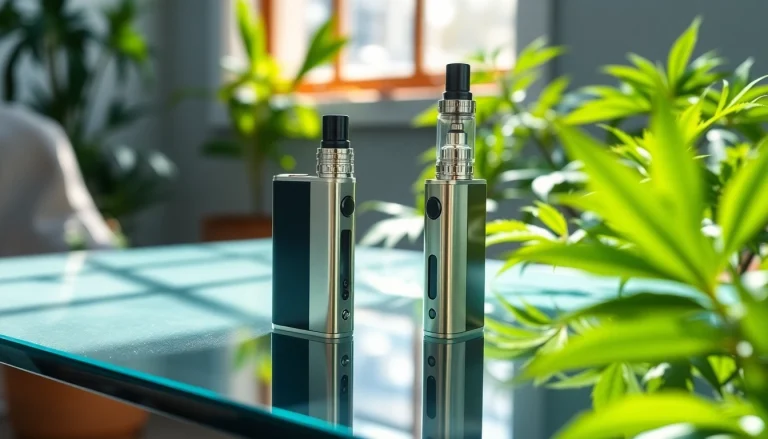
Vaping THC has become one of the preferred methods of consumption due to its convenience and discretion. Users can enjoy quick onset effects without the combustion byproducts associated with smoking.
Types of THC Vape Pens Available
There are several types of THC vape pens, including:
- Disposable Vape Pens: Ready-to-use devices that come pre-filled with vape oil and do not require any refilling.
- Rechargeable Vape Pens: Often come with interchangeable cartridges that can be replaced once empty, allowing for more variety.
- Pod Systems: Small, compact devices using proprietary pods filled with THC oil that fit into the device, offering a discreet way to consume.
How to Choose the Right Vape Pen
When selecting a THC vape pen, consider the following factors:
- Portability: Choose a vape pen that fits your lifestyle, whether you need something compact for on-the-go use or a larger model for home use.
- Battery Life: Look for vape pens with good battery capacity to ensure you’re not constantly recharging.
- Ease of Use: Determine the level of complexity you’re comfortable with, whether you want a simple one-button device or adjustable settings.
- Flavor Options: Consider the variety of flavors available, keeping in mind that high-quality products use natural terpenes for flavoring.
Vaping vs. Other Consumption Methods
Vaping THC provides several advantages over other methods, including:
- Quick Onset: The inhalation method allows THC to enter the bloodstream quickly, providing rapid relief.
- Controlled Dosing: Vaping allows users to take smaller puffs and control their dose more accurately compared to edibles.
- Less Odor: Vaping typically produces less smell than smoking, making it a more discreet option for many users.
THC Edibles: What to Know
THC edibles, such as gummies and chocolates, provide an alternative way to enjoy the compound without the need for vaping or smoking. They come in various forms, making them appealing to a wider audience.
Different Types of THC Edibles
THC edibles come in many shapes and flavors, including:
- Gummies: Popular and easy to dose, available in various flavors and strengths.
- Chocolate Bars: A delicious way to enjoy THC, with a consistent dosage in each piece.
- Beverages: THC-infused drinks that can provide a refreshing alternative to traditional edibles.
- Baked Goods: Cookies, brownies, and other baked items provide a nostalgic way to consume THC.
Health Benefits of THC Edibles
Like their vaping counterparts, THC edibles offer a range of health benefits. These may include:
- Longer Lasting Effects: Edibles provide a more prolonged effect compared to smoking or vaping.
- Discreet Consumption: Edibles can be consumed inconspicuously, making them suitable for various environments.
- Variety of Flavors: Edibles come in numerous flavors, catering to diverse preferences.
Proper Dosage for Edibles
Dosage is crucial with edibles, as they can take longer to kick in—sometimes up to two hours. It’s essential to start low and go slow:
- Start with 5-10 mg: For beginners, starting with a low dose allows you to gauge your tolerance.
- Wait Before Taking More: Give your body enough time to process the edible before consuming additional doses.
- Consider Your Weight: Heavier individuals may require a slightly higher dose to feel the effects.
Quality Assurance and Safety Standards
Ensuring high quality in THC products is paramount for safety and efficacy. Consumers should be aware of the regulatory landscape and quality indicators when selecting products.
Understanding Third-Party Testing and COAs
Third-party testing is vital for transparency in the cannabis industry. Certificates of Analysis (COAs) verify potency and purity:
- Potency Verification: COAs confirm the actual THC and cannabinoid content of the product.
- Contaminant Testing: Checks for pesticides, heavy metals, and residual solvents ensure product safety.
- Microbial Testing: Verifies that the product is free from harmful pathogens.
Recognizing Quality Indicators in Products
Look for these quality indicators when selecting THC products:
- GMP Certification: Guarantees that the product is manufactured under stringent quality control standards.
- Organic Certification: Ensures that the product is made from organically grown cannabis.
- Clear Labeling: Products should clearly state ingredients, THC content, and dosing information.
Legal Considerations for THC Products in 2026
The legal landscape for THC is continually evolving. Some key considerations include:
- The 2018 Farm Bill: Legalizes hemp-derived products containing less than 0.3% THC federally.
- State Regulations: Be aware that THC legality varies across states, so it’s crucial to understand local laws.
- Future Outlook: Ongoing deliberations indicate potential changes in cannabis regulations and market growth.
Best Practices for Using THC Products
To maximize the benefits of THC while minimizing potential side effects, consider the following best practices.
How to Accurately Dose THC
Dosing THC requires careful consideration:
- Start Low and Go Slow: Begin with low doses and increase gradually based on individual tolerance.
- Keep a Journal: Document your experiences with different doses and formulations to identify what works best.
- Respect Individual Differences: Dosage needs will vary based on body weight, metabolism, and personal experience with cannabis.
Storage and Shelf Life of THC Products
Proper storage can impact the potency and quality of your THC products:
- Cool, Dark Places: Store products away from direct sunlight and heat to maintain their effectiveness.
- Airtight Containers: Use sealed containers to prevent moisture and oxidation.
- Check Expiration Dates: Pay attention to shelf life and expiration dates indicated by the manufacturer.
Potential Side Effects and Interactions
While THC has many potential benefits, it is essential to be aware of possible side effects, such as:
- Drowsiness: THC can cause sleepiness in some individuals; consider this when planning activities.
- Dry Mouth: Also known as “cottonmouth,” this is a common side effect associated with cannabis use.
- Digestive Changes: Some users may experience changes in appetite or gastrointestinal discomfort.
What are the key differences between CBD and THC?
THC and CBD are both cannabinoids from the cannabis plant, but they have distinct effects. THC is psychoactive and can cause a “high,” while CBD is non-intoxicating and primarily sought for its therapeutic benefits without the euphoria.
How can THC help with stress and anxiety?
THC may promote relaxation and decrease feelings of anxiety, particularly in low doses. However, it can exacerbate anxiety in some users, emphasizing the importance of starting low and assessing individual responses.
Are there any legal considerations to be aware of in the UK?
In the UK, THC is classified as a controlled substance, and products must comply with specific regulations. It is essential to ensure that any THC products you purchase are compliant with local laws.
What should I look for in quality THC products?
Look for products that provide clear COAs, contain organic ingredients, and are manufactured by reputable companies that emphasize quality and safety standards.
How to find reputable brands for THC vapes and edibles?
Research brands thoroughly, checking for customer reviews, third-party testing, and any available certifications to help ensure you’re purchasing high-quality products.
About the Author