
Understanding CBD and Its Benefits
As awareness of natural remedies continues to grow, many individuals are exploring the wellness benefits of cannabidiol (CBD). Derived from hemp, CBD is known for its potential therapeutic effects without the psychoactive properties associated with its cousin, tetrahydrocannabinol (THC). This article delves into the myriad benefits of CBD, explores its various products, and emphasizes the importance of using quality, compliant products. For those looking to expand their repertoire of wellness options, the Ministry of Cannabis stands out as a reputable provider.
What is CBD and How Does It Work?
CBD is one of over 100 cannabinoids found in the cannabis plant. It interacts with the endocannabinoid system (ECS), a critical regulatory system in the body that maintains homeostasis. Through receptors in the ECS, CBD may help modulate various physiological processes, including mood, sleep, and pain perception. By influencing the receptors, CBD promotes a state of balance in bodily functions.
Health Benefits of CBD: An Overview
Research suggests several potential health benefits associated with CBD, including:
- Anxiety and Stress Relief: Many individuals find that CBD helps manage anxiety and stress levels, offering a more relaxing demeanor.
- Pain and Inflammation Reduction: CBD may serve as a natural pain reliever, making it appealing for those experiencing chronic pain or inflammation.
- Improved Sleep Quality: For those struggling with insomnia or sleep disturbances, CBD may improve sleep quality and duration.
- Support for Mental Clarity: Users often report enhanced focus and cognitive function when using CBD.
- Post-Workout Recovery: Athletes may utilize CBD to reduce muscle soreness and promote recovery after intense workouts.
How CBD Can Enhance Your Wellness Routine
Incorporating CBD into your wellness routine can be a seamless process. Whether it’s through oils, topical creams, or edibles, CBD products are versatile and can be adapted to individual preferences. Understanding various product forms helps users can tailor their experience for optimal benefits.
Exploring Different Types of CBD Products
Understanding Oils, Edibles, and Topicals
CBD products come in various forms, each with its advantages. CBD oils and tinctures offer fast absorption and ease of dosage, while edibles like gummies provide longer-lasting effects. Topicals, such as creams and balms, can be applied directly to the skin for localized relief.
Vaping CBD: Pros and Cons
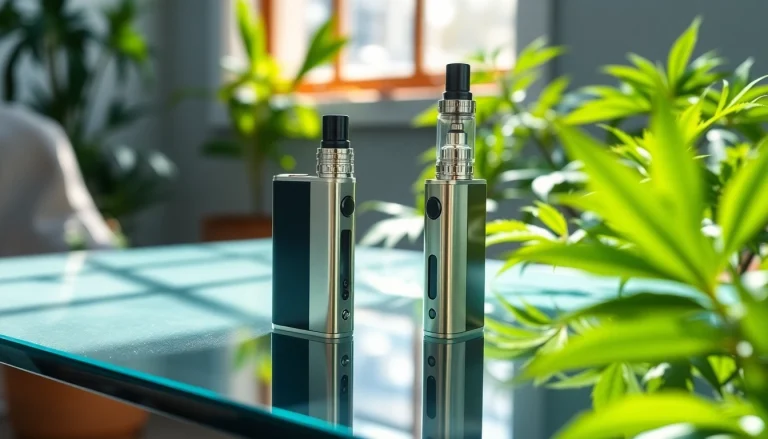
Vaping CBD has gained popularity due to its quick onset of effects. However, while vaping can provide immediate relief, there are safety considerations to keep in mind, including the quality of vape products and potential lung health concerns. By using reputable brands and products, users can mitigate some of these risks.
The Rise of CBD-Infused Foods and Beverages
CBD-infused foods and beverages have surged in popularity, offering a discreet way to consume CBD. While adding CBD to smoothies or snacks can be convenient, it’s essential to pay attention to dosages, as these can vary significantly across products.
Dosage Guidelines for Effective Use
How to Determine the Right CBD Dosage
Finding the right CBD dosage can be personalized. Factors such as body weight, metabolism, and the severity of the condition being addressed play crucial roles in dosage determination. It’s often recommended to start with a low dose and gradually increase until the desired effects are achieved.
Titrating Your CBD: Best Practices
Titration refers to the process of increasing the dosage incrementally while monitoring for effects. This gradual approach allows for fine-tuning individual needs and enhances the safety of use.
Common Mistakes in CBD Dosage and Solutions
Many users may rush to take higher doses, anticipating quicker results. However, it’s crucial to approach CBD with patience, adhering to the “start low and go slow” methodology to minimize potential adverse effects.
Quality and Safety Standards in CBD Products
How to Read a Certificate of Analysis (COA)
A Certificate of Analysis (COA) provides essential data on the quality and potency of CBD products. Understanding how to read a COA can help verify product claims, ensuring consumers are informed about what they use.
Signs of High-Quality CBD Products
Quality CBD products show transparency through third-party lab testing, clear labeling, and positive customer reviews. Look for established brands that prioritize quality and compliance.
The Importance of Third-Party Testing
Third-party testing ensures independent verification of product ingredients and potency. These tests can identify contaminants such as pesticides, heavy metals, and solvents, contributing to a safer consumer experience.
Navigating Legal and Compliance Issues
Current CBD Regulations and Legal Status
Since the passing of the 2018 Farm Bill, hemp-derived CBD with less than 0.3% THC has been federally legalized in the U.S. However, it remains essential to understand state-specific laws as they can vary greatly. Always stay informed about the legal status of CBD in your area.
Understanding THC vs. CBD: Legal Implications
THC is the psychoactive compound that can lead to intoxication, while CBD provides therapeutic benefits without these effects. A clear understanding of these compounds can help consumers navigate legal considerations effectively.
Health Claims and Advertising Guidelines for CBD
All health claims regarding CBD must comply with FDA regulations, ensuring that products are marketed responsibly and do not mislead consumers. It’s important to be cautious and aware of misleading claims in marketing and advertising.
What You Need to Know About CBD and Drug Interactions
Certain medications can interact with CBD, potentially leading to adverse effects. Consulting with a healthcare professional before using CBD products, especially when taking other medications, is crucial for safety.
Best Practices for Long-Term CBD Storage
To maintain the potency of CBD products, store them in cool, dark places away from direct sunlight and humidity. Proper storage can prolong the shelf life and effectiveness of CBD products.
Frequently Asked Questions about CBD
Is CBD Safe for Everyone?
While many find CBD to be safe, individuals with specific health conditions or those who are pregnant should consult healthcare professionals before use. Individual reactions to CBD can vary significantly.
Does CBD Cause Side Effects?
While CBD is generally well tolerated, some may experience side effects, including drowsiness, dry mouth, or digestive changes. Monitoring individual reactions is important for safe consumption.
How is CBD Different from Traditional Medicine?
CBD may offer different therapeutic mechanisms compared to traditional pharmaceuticals, often focusing on holistic wellness rather than symptomatic treatment. Understanding these differences can guide consumers in their choice of treatment.
About the Author